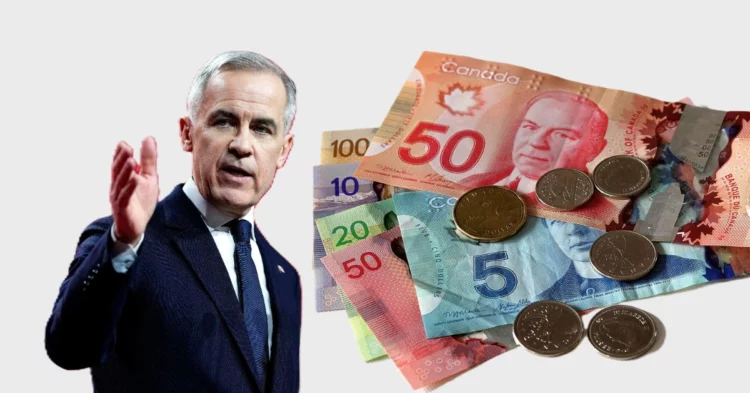
Across Canada, many households are watching closely for the next round of carbon rebate payments. With fuel prices and household expenses still stretching budgets, the expected $456 Canada Carbon Rebate payment tied to the federal carbon pricing program has become a frequent topic of conversation.
For eligible residents, the rebate is designed to return money collected through carbon pricing back to households. Understanding how the program works, who qualifies, and when payments are expected can help Canadians prepare for the next deposit.
What the Canada Carbon Rebate Is and Why It Exists
The Canada Carbon Rebate is a federal program that returns a portion of carbon pricing revenues directly to households.
The program is administered through the Canada Revenue Agency and is linked to Canada’s national pollution pricing framework.
The Purpose of the Carbon Rebate
Carbon pricing places a cost on fuels such as gasoline, diesel, natural gas, and other carbon-intensive energy sources. The goal is to encourage lower emissions while still returning most of the revenue to residents.
Instead of keeping the funds entirely within government budgets, the rebate system distributes much of the collected revenue back to eligible households through direct payments.
Many families ultimately receive rebates that match or exceed what they pay in carbon charges.
Why the Amount Changes
The rebate amount can vary depending on factors such as:
Fuel price trends
Provincial participation in federal carbon pricing
Household size
Annual adjustments to carbon pricing levels
The $456 figure being discussed for 2026 may represent the payment level for a specific household type in certain provinces.
Who Qualifies for the $456 Carbon Rebate
Eligibility for the Canada Carbon Rebate is based primarily on residency and tax filing status rather than income.
Residency Requirements
To qualify, individuals generally must:
Live in a province where the federal carbon pricing system applies
Be considered a Canadian resident for tax purposes
Be at least 19 years old
Younger individuals may still qualify if they have a spouse, common-law partner, or a child.
The Importance of Filing Taxes
The rebate is calculated automatically using information from annual tax returns. Even individuals with little or no income must file their tax return to receive the payment.
Failing to file taxes can delay or prevent the rebate from being issued.
Family and Household Size
Payment amounts vary depending on household composition. Factors include:
Whether the individual is single or part of a couple
The number of eligible children in the household
The province where the household resides
The widely discussed $456 amount may represent a base payment level for a particular household category.
When the Carbon Rebate Payments Are Typically Issued
The Canada Carbon Rebate is generally distributed several times per year.
Quarterly Payment Structure
In most years, payments follow a quarterly schedule. Typical payment months include:
January
April
July
October
If a payment appears in March, it may reflect an adjustment in timing or a specific provincial processing schedule.
Direct Deposit vs Mailed Cheques
Most recipients receive the rebate through direct deposit into their bank account if they are registered for electronic payments with the Canada Revenue Agency.
Those who have not enrolled in direct deposit usually receive a paper cheque by mail, which can take additional time to arrive.
How Carbon Rebate Amounts Are Calculated
The payment amount is not identical for every Canadian household. Several factors influence the final rebate.
Provincial Differences
The federal carbon pricing system applies in certain provinces where provincial programs do not meet federal standards. Residents in these regions receive the rebate payments.
The amount distributed to households varies based on the level of carbon pricing revenue collected in each province.
Rural Supplement
Residents living in rural or smaller communities may qualify for an additional supplement. This extra payment reflects the higher transportation and energy costs often faced outside major cities.
Household Size Adjustments
Payments generally increase when households include multiple eligible members. Spouses, partners, and dependent children can all affect the total rebate amount.
What to Do If You Don’t Receive the Payment
If you believe you qualify for the carbon rebate but do not receive the expected payment, there are several steps to take.
First, allow several business days for payment processing if the official date has just passed.
Next, verify that your most recent income tax return has been filed and processed. Many missing payments are caused by incomplete tax filings.
You should also check your account information through the Canada Revenue Agency to confirm that your address and banking details are up to date.
Is the Carbon Rebate Taxable
The Canada Carbon Rebate is generally considered tax-free. Recipients do not need to report it as taxable income on their tax return.
This means the full amount of the rebate can be used by households without affecting taxable earnings.
How the Rebate Helps Canadian Households
While the rebate is tied to environmental policy, it also plays an important financial role for many families.
Offsetting Energy Costs
Fuel, heating, and transportation costs remain significant parts of household budgets. The rebate is designed to offset the impact of carbon pricing on these everyday expenses.
Supporting Family Budgets
For larger households, combined payments can add up to a meaningful amount over the course of the year. Many families use the rebate to help cover seasonal expenses such as heating bills or rising grocery costs.
Staying Alert to Fraud and Scams
Large government payments often attract scam attempts. Fraudsters may send emails, texts, or messages claiming to offer faster access to rebates.
To stay safe, Canadians should avoid clicking unknown links and never provide banking details through unsolicited messages.
Official information about carbon rebate payments should always be verified through the Canada Revenue Agency.
Preparing for the Next Carbon Rebate Payment
Households expecting a carbon rebate can take a few steps to ensure their payment arrives without delays.
File your tax return on time each year.
Register for direct deposit to receive payments faster.
Keep your mailing address and banking information updated with the Canada Revenue Agency.
Check official government announcements for updated payment dates.
The Bottom Line on the $456 Canada Carbon Rebate
The Canada Carbon Rebate remains an important component of the country’s carbon pricing policy. By returning collected revenues directly to households, the program helps offset energy costs while encouraging environmental responsibility.
The widely discussed $456 payment represents a potential rebate amount for certain households depending on province and family size. Eligibility generally depends on residency and filing taxes rather than income level.
For Canadians expecting the next rebate, staying informed and keeping tax information up to date will ensure the payment arrives smoothly when the next distribution is issued.